
Why Every Home Gym Needs a Quality Dumbbell Set

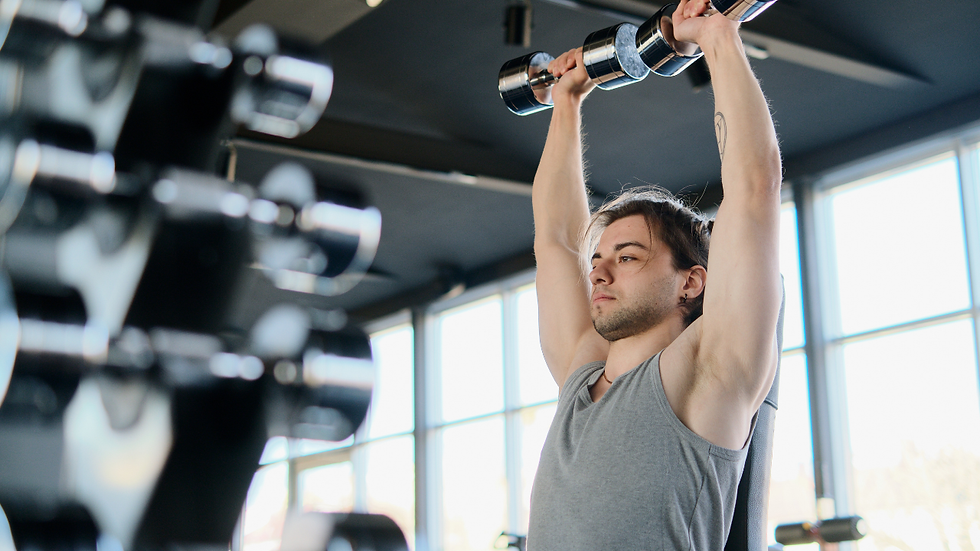
Home training spaces have evolved from basic spare-room setups into thoughtfully equipped environments where people pursue strength, mobility, and long-term health. Among the many pieces of equipment available today, few are as enduring or as adaptable as a dumbbell set. Its reputation comes not from novelty but from centuries of use, refinement, and integration into nearly every exercise discipline.
While larger machines or specialized tools often dominate discussions about home fitness, free weights continue to play a foundational role. Their simplicity belies their depth: they allow the body to move in natural patterns, challenge stabilizing muscles, and support progressive improvement at every stage—from early rehabilitation to advanced strength work.
This article explores why this familiar tool remains indispensable and how it supports diverse training goals within limited home spaces.
The Role of Free Weights in Functional Strength
Free weights encourage movement that reflects real-world demands. When lifting without fixed paths or guided rails, the body must coordinate multiple muscle groups simultaneously. This fosters balance, proprioception, and joint awareness—qualities essential in both athletics and everyday activities such as carrying groceries or climbing stairs.
Compared with large machines, free weights give users more control over range of motion. This accommodates anatomical differences and helps individuals strengthen joints through a broader arc. Over time, these factors contribute to better movement mechanics and reduced risk of overuse injuries.
Versatility That Enhances Any Training Program
A well-selected weight collection offers a broad training spectrum, whether the focus is muscle development, metabolic conditioning, or rehabilitation. With only a small footprint required, users can integrate resistance work into nearly any routine without rearranging their entire space.
Strength and Hypertrophy Work
Resistance training relies on progressive overload. Adjustable weights or collections with graduated increments allow users to increase difficulty methodically. Because the body adapts unevenly across muscle groups, having several load options ensures each region can be challenged appropriately.
Conditioning and High-Intensity Intervals
When incorporated into circuit routines or interval programs, free weights raise cardiovascular demand while maintaining muscular engagement. This dual stimulus can improve stamina, elevate caloric expenditure, and sustain heart-rate variability across sessions.
Mobility and Prehabilitation
Lighter selections support controlled movements such as shoulder rotations, hinge pattern drills, and isolated activation work. These exercises reinforce stability and help prevent imbalances that often develop from sedentary lifestyles or repetitive daily tasks.
Space Efficiency and Convenience
Many people building home exercise environments must manage tight square footage. Weights—especially adjustable ones—provide significant training range while occupying minimal room. They can be stored beneath furniture, along a wall, or within compact racks. Unlike larger equipment, they require little setup time, making them ideal for short, frequent sessions.
Furthermore, their portability allows for training in varied locations. Users may move them onto a balcony, into a living room, or even outdoors, ensuring workouts remain flexible and accessible.
Supporting Long-Term Training Development
A carefully curated collection forms the backbone of sustainable at-home fitness. Because resistance work is essential for bone density, metabolic health, and age-related strength preservation, having reliable tools available encourages consistency. These tools grow with the user: beginners can develop coordination with lighter options, while advanced practitioners can pursue ambitious performance targets.
Training diversity is another advantage. Using the same set, individuals can shift between upper-body days, lower-body sequences, total-body complexes, or skill-based sessions. This adaptability keeps routines engaging, reducing the likelihood of stagnation or burnout.
Material, Design, and Durability Considerations
Weights come in various materials—rubberized coatings, urethane finishes, cast iron, and steel variations. Each offers different tactile and durability qualities. Rubber and urethane reduce noise and protect flooring, while iron and steel tend to last decades with minimal maintenance.
Handle design also influences user experience. Knurled grips provide traction for heavier lifts, while smoother finishes suit lighter conditioning work. Hex-shaped profiles prevent rolling and add stability during floor-based exercises such as renegade rows or elevated push-ups.
For multi-user households, durability becomes even more important. Frequent handling, varied grip strengths, and differing technique levels place wear on equipment. Opting for well-constructed pieces ensures longevity and maintains safety standards over time.
Building a Balanced Home Setup
Selecting appropriate load increments is essential for balanced development. A typical range might begin with light weights for mobility and isolation, mid-range options for compound lifts, and heavier selections for challenging lower-body and pulling movements. Adjustable systems can streamline this process by consolidating multiple loads into a single mechanism.
Storage solutions also contribute to an efficient environment. Racks, wall-mounted shelves, or compact stands help maintain order, reduce clutter, and encourage regular use. An orderly space often translates into better adherence to training habits.
Conclusion
Free weights remain one of the most fundamental tools in strength and conditioning for good reason. Their ability to support natural movement patterns, accommodate a wide range of training goals, and fit into virtually any home environment makes them indispensable. Beyond practicality, they form a foundation for long-term wellness, enabling consistent strength development, improved mobility, and functional resilience.
Creating an effective home exercise space does not require a large investment or extensive equipment list. A well-chosen weight collection provides depth, versatility, and reliability—qualities that sustain meaningful training over many years.
FAQs
What makes free weights more beneficial than machines for home use?
They encourage natural movement patterns, activating stabilizing muscles and supporting functional strength that transfers to daily life. They also take up significantly less space than most machines.
How many weight increments should beginners start with?
Beginners often benefit from a small range that includes light, moderate, and moderately heavy options. This allows for gradual progression without overwhelming the training space.
Do different materials affect training quality?
Material influences feel, durability, and noise level. Rubber and urethane coatings protect floors and reduce impact sounds, while metal versions offer longevity and a traditional lifting experience.
Can free weights support cardio-focused routines?
Yes. When integrated into circuits or interval sessions, they elevate heart rate while maintaining muscular engagement, producing both strength and aerobic benefits.
How should they be maintained?
Occasional cleaning, checking for loose components, and storing them in dry environments will preserve their condition. Coated versions may require less maintenance, but all benefit from routine care.
Comments