
Massage Chair Price Guide: Find the Right Model for You

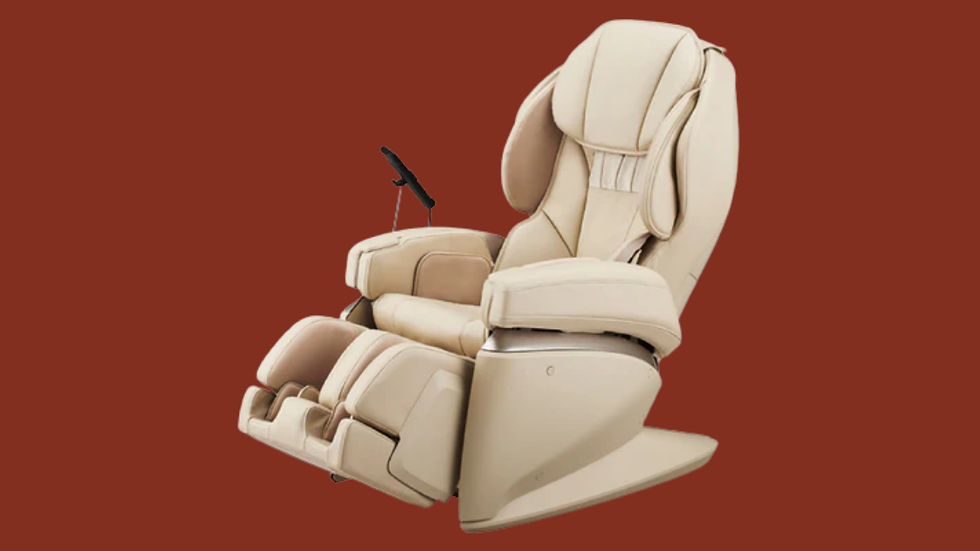
In recent years, massage chairs have evolved from luxury items to accessible wellness tools, offering users a convenient way to relax and relieve muscle tension at home. Understanding the factors that influence massage chair price can help you make an informed choice, balancing features, comfort, and budget.
The massage chair price is determined by a combination of design, functionality, and technology. By exploring what goes into pricing and how to evaluate different models, you can select a chair that aligns with both your needs and financial plan. This guide aims to provide a clear overview of the considerations behind these investments.
Factors That Influence Massage Chair Price
Several elements contribute to the overall cost of a massage chair. Recognizing these can help buyers understand why prices vary widely and what trade-offs exist between budget-friendly and high-end models.
1. Technology and Features
Advanced massage chairs often incorporate multiple technologies that significantly affect their price. Common features include:
Zero-gravity positioning: Simulates weightlessness, reducing spinal pressure and enhancing relaxation.
3D or 4D massage mechanisms: Allow rollers to move in multiple directions, providing a deeper and more customized massage.
Body scanning technology: Detects body contours to deliver precise pressure and targeted relief.
Chairs equipped with these features generally cost more due to the complexity of their engineering and the quality of the materials used.
2. Build Quality and Materials
The frame and upholstery of a massage chair play a critical role in longevity and comfort. High-end models often use durable steel frames and premium leather, whereas lower-priced chairs may use synthetic materials and less robust structures. Material quality directly impacts durability, comfort, and ultimately the price.
3. Massage Programs and Customization
The variety and customization of massage programs can also affect the chair’s cost. Some chairs offer dozens of pre-set programs targeting different muscle groups, while others allow users to create personalized routines. More sophisticated programming options generally correlate with a higher massage chair price.
4. Size and Space Requirements
Large chairs with extended leg rests and wider seating typically cost more and require more space. Compact models may be less expensive but can compromise on coverage or features. It’s important to consider your available space and desired functionality when evaluating chairs.
5. Brand Reputation and Warranty
Reputable brands often invest in research, testing, and customer support, which can raise the initial cost. Additionally, longer warranty periods, which provide peace of mind and protection, are usually offered by higher-end models. While a premium brand may come at a higher massage chair price, it can also signify reliability and durability.
Understanding the Price Range
Massage chairs vary widely in price, typically falling into three general categories:
Budget-Friendly Models
These chairs usually range from $500 to $1,500. They offer basic features such as simple rolling or kneading mechanisms and a limited number of massage programs. Budget options are suitable for casual users who want occasional relief without investing heavily.
Mid-Range Models
Priced between $1,500 and $4,000, mid-range chairs often include more advanced features like zero-gravity positioning, multiple massage techniques, and partial body scanning. They provide a balance between functionality and affordability, making them a popular choice for regular users.
Premium Models
High-end chairs start around $4,000 and can exceed $10,000. These models incorporate sophisticated technologies, extensive customization options, and premium materials. Premium chairs are designed for users seeking the closest experience to professional massage therapy at home.
Understanding where a model falls within these ranges can help align expectations with budget and desired features.
Tips for Choosing the Right Massage Chair
Selecting a massage chair involves more than simply considering the price. These tips can help guide your decision:
Identify your primary needs: Decide whether you want full-body relaxation, targeted pain relief, or occasional use.
Test chairs if possible: Comfort is subjective, and trying a chair can reveal nuances that descriptions may not capture.
Check space and dimensions: Ensure the chair fits your living area without obstructing movement.
Consider long-term maintenance: Look for models with easily replaceable parts and accessible customer support.
Prioritize features over cost alone: A slightly higher investment may provide a better long-term experience and durability.
Conclusion
Understanding massage chair price is more than comparing numbers—it’s about evaluating technology, comfort, durability, and intended use. By considering the features, materials, and brand reliability, users can select a chair that offers meaningful health and relaxation benefits while staying within their budget. Making an informed choice ensures that your investment will provide both satisfaction and long-term value.
FAQs
What is the average cost of a massage chair?
Prices vary widely, typically ranging from $500 for budget models to over $10,000 for premium chairs, depending on features, materials, and technology.
Do more expensive chairs offer better health benefits?
Not necessarily. While advanced features can enhance comfort and customization, even mid-range chairs can provide effective relief. Consider personal needs and preferences rather than relying solely on price.
How long do massage chairs typically last?
A well-maintained chair can last 7 to 15 years, depending on usage, build quality, and regular maintenance. Investing in durable materials and reputable brands often extends lifespan.
Can a massage chair replace professional therapy?
While they offer convenience and relief, massage chairs cannot fully replace professional physical therapy or medical treatment. They are best used as a supplementary wellness tool.
Are there additional costs beyond the purchase price?
Yes. Some chairs require electricity, periodic maintenance, or replacement of worn parts. Factoring these into your budget ensures a realistic view of long-term costs.
Comments