
How to Pick a Reliable Exercise Equipment Store

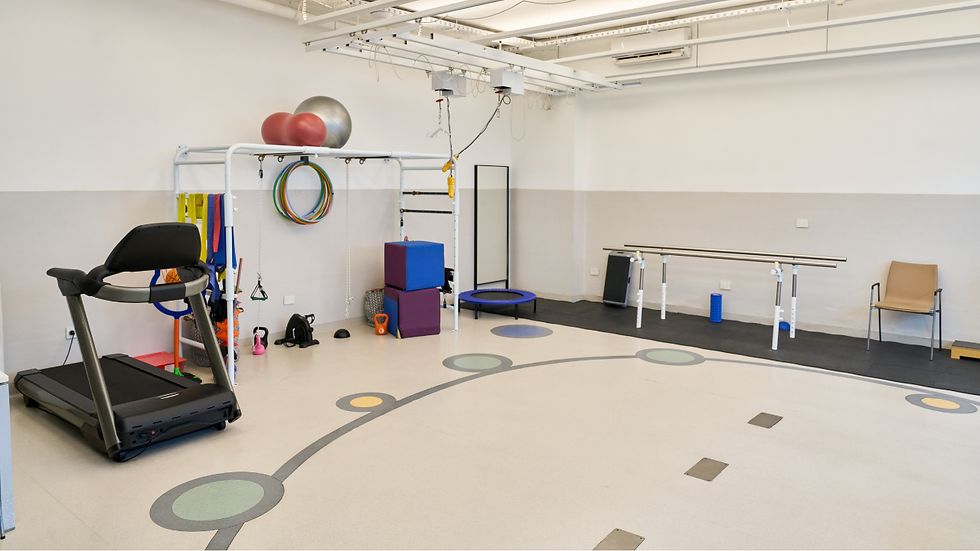
Selecting the right exercise equipment is an important decision, whether you are outfitting a home gym or upgrading a commercial facility. The choices available today range from treadmills and ellipticals to strength training machines and accessories. However, even the best equipment can become a source of frustration if it is purchased from an unreliable source. Understanding how to identify a dependable exercise equipment store can save both time and money, ensuring that the investment supports long-term fitness goals.
A reliable store does more than just sell machines—it provides guidance, support, and service after the purchase. This article explores the criteria to consider when choosing an exercise equipment store, helping you make an informed and confident decision.
Understanding Your Needs
Before evaluating an exercise equipment store, it is essential to define your fitness goals and requirements. Consider the type of exercise you plan to do, the space available for equipment, and the frequency of use. Home gyms may require compact or multi-functional machines, whereas commercial facilities often need heavy-duty, high-traffic equipment. Knowing your needs first ensures that any recommendations or purchases are aligned with your goals.
Budget and Value Considerations
While it may be tempting to focus solely on price, the most affordable option is not always the best. Assess the durability, features, and warranty of each piece of equipment in relation to its cost. A reputable store will provide transparent pricing and explain the value of different models without pressure tactics or aggressive upselling.
Quality and Certification
High-quality equipment often comes with certifications that indicate safety and performance standards. Look for internationally recognized marks or endorsements from professional organizations. Reliable stores are knowledgeable about these certifications and can provide documentation or product manuals for review.
Researching Potential Stores
Finding a trustworthy store requires careful research. Start with online reviews and customer testimonials, but interpret them critically. Consistent patterns of feedback are more informative than isolated reviews.
Physical Visit vs. Online Presence
Visiting a physical store allows you to inspect the equipment firsthand. You can test functionality, assess build quality, and discuss concerns directly with staff. However, an online presence is equally important. A professional website with detailed product information, clear policies, and educational resources indicates a commitment to transparency and customer support.
Customer Service and Expertise
Staff knowledge is a key indicator of reliability. Employees should be able to explain the technical specifications, proper use, and maintenance requirements of each machine. They should also answer questions about warranties, shipping, and installation without vague or evasive responses. Good customer service signals that the store prioritizes long-term customer satisfaction over short-term sales.
Evaluating Warranties and After-Sales Support
A strong warranty and responsive after-sales support differentiate a reputable store from a mediocre one. Check for details regarding coverage periods, parts replacement, and repair services. Some stores offer on-site maintenance or remote troubleshooting, which can be invaluable for high-use equipment. Understanding these policies upfront helps prevent unexpected costs and downtime.
Return and Exchange Policies
Even with careful selection, circumstances may change. A reliable store has clear, fair, and accessible return and exchange policies. Avoid stores with ambiguous or restrictive terms, as these often create complications if the equipment is defective or incompatible with your space.
Comparing Brands and Models
While the store itself is important, it is also wise to compare the brands and models they offer. Different manufacturers have varying reputations for quality, durability, and innovation. A knowledgeable store will offer a range of brands to suit different budgets and requirements, allowing informed choices rather than pushing a single preferred line.
Product Demonstrations and Trials
Stores that allow demonstrations or short-term trials demonstrate confidence in the quality of their equipment. Hands-on experience helps identify comfort, usability, and suitability for your fitness routine. Observing how a store facilitates demonstrations can also reveal how attentive they are to customer needs.
Conclusion
Choosing a reliable exercise equipment store requires a balance of research, personal assessment, and careful questioning. Key factors include understanding your fitness needs, evaluating the quality and certification of equipment, assessing customer service and support, and reviewing warranties and policies. Taking the time to make an informed decision ensures that the equipment you purchase contributes positively to your fitness journey rather than becoming a source of frustration.
A thoughtful approach to selecting a store ultimately reflects a commitment to safety, value, and long-term satisfaction. By focusing on these principles, you can feel confident that your investment supports your health goals effectively and sustainably.
FAQs
What should I look for in an exercise equipment store?
Look for knowledgeable staff, transparent pricing, detailed product information, warranty coverage, and strong customer support. A store that prioritizes these factors demonstrates reliability.
How important is a physical store visit?
Visiting a store allows you to test equipment, assess build quality, and interact with staff. While online research is helpful, physical inspection provides tangible assurance of quality and service.
Are warranties a reliable indicator of a store’s trustworthiness?
Yes. Comprehensive warranties and accessible after-sales support indicate that a store stands behind its products and prioritizes customer satisfaction.
How can I compare different stores effectively?
Examine product selection, staff expertise, customer reviews, warranty policies, and return/exchange options. Comparing these factors provides a holistic view of reliability.
Is it necessary to choose a store offering multiple brands?
While not mandatory, having access to multiple brands allows you to evaluate quality, features, and price options. A store that offers variety demonstrates a commitment to meeting diverse customer needs.
Comments